This is an automatically translated description
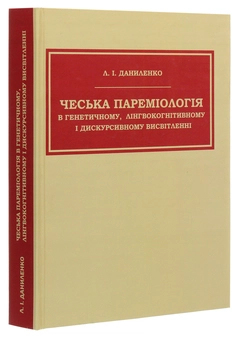
The monograph investigates the Czech language paremiology in terms of its origin, linguistic and cognitive characteristics, and discursive practice. A wide range of sources (from the 14th century to the present) that have led to the formation of the Czech paremic fund is considered, the formation of the terminological system of Czech paremiology in the East Slavic comparative context is traced, and a periodisation of Czech paremiology is proposed. For the first time in linguistic bohemianism, Czech paremiology is characterised in terms of the reception of cultural and historical experience: ancient and biblical heritage, the influence of German and Ukrainian languages. On the basis of cognitive semantics, the basic cultural concepts are analysed as mental containers of linguistic and cultural meanings relevant for the Czech linguistic and cultural community. From the pragmalinguistic point of view, Czech paremics as a sociopragmatic phenomenon of discourse, which reveal the dynamics of mental actions of speakers in speech activity, are studied.
For philologists, cultural studies specialists, teachers, postgraduate students, students and anyone interested in the problems of interaction between language, culture, and thinking.