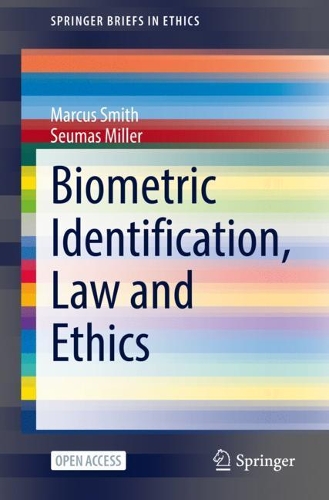
Book Biometric Identification, Law and Ethics
Product code: 20218583
Format
Book language
Publisher
Year of publication
Category
Internet and education Cybernetics. Artificial intelligence Culturology Ethics Political science. Political memoirs Sociology Criminalistics. Criminology. Forensic science Society and culture: general Crime and criminology Political science and theory Digital and information technologies: Legal aspects
About book
This book is open access. This book undertakes a multifaceted and integrated examination of biometric identification, including the current state of the technology, how it is being used, the key ethical issues, and the implications for law and regulation. The five chapters examine the main forms of contemporary biometrics–fingerprint recognition, facial recognition and DNA identification– as well the integration of biometric data with other forms of personal data, analyses key ethical concepts in play, including privacy, individual autonomy, collective responsibility, and joint ownership rights, and proposes a raft of principles to guide the regulation of biometrics in liberal democracies.
Biometric identification technology is developing rapidly and being implemented more widely, along with other forms of information technology. As products, services and communication moves online, digital identity and security is becoming more important. Biometric identification facilitates this transition. Citizens now use biometrics to access a smartphone or obtain a passport; law enforcement agencies use biometrics in association with CCTV to identify a terrorist in a crowd, or identify a suspect via their fingerprints or DNA; and companies use biometrics to identify their customers and employees. In some cases the use of biometrics is governed by law, in others the technology has developed and been implemented so quickly that, perhaps because it has been viewed as a valuable security enhancement, laws regulating its use have often not been updated to reflect new applications. However, the technology associated with biometrics raises significant ethical problems, including in relation to individual privacy, ownership of biometric data, dual use and, more generally, as is illustrated by the increasing use of biometrics in authoritarian states such as China, the potential for unregulated biometrics to undermine fundamental principles of liberal democracy. Resolving these ethical problems is a vital step towards more effective regulation.
Details
Author
Publisher
Number of pages
99
Published
2021
Language
English
Illustrations
Not illustrated
Book type
Printed
Binding
Paperback
Weight
185
Series
ISBN
9783030902551
Dimensions
155x235 мм
Compare size
Code
20218583
Reviews